Thinking about adding more space to your home and trying to understand the real cost of a loft conversion? This 2026 guide explains the typical starting prices for different types of loft conversion in London, what is usually included, what can increase the final price and how Absolute Lofts helps homeowners plan the project properly from the start.
Every home is different, so loft conversion costs should always be treated as a guide until the property has been surveyed. Roof shape, available head height, staircase position, bathroom layout, structural work, planning requirements and finish level can all affect the final quotation.
As a guide, a full loft conversion in London will usually start from around £40,000 for a dormer loft conversion, with larger or more complex projects costing more. L shaped dormers, mansards and hip to gable rear dormers generally require more structure, more materials and more labour, so they sit higher in the price range.
These prices are starting guides, not fixed package prices. A simple bedroom-only dormer will usually cost less than a larger loft with an en-suite, bespoke glazing, complex plumbing or a higher specification finish.
If you are comparing prices, make sure each quote is genuinely like for like. A lower quote may exclude drawings, structural calculations, planning handling, plumbing, electrics, plastering, second fix carpentry or other important parts of the build.
Want a clearer idea of your own loft conversion cost? Call Absolute Lofts on 0800 24 30 48 or request a quote.
A shell loft conversion, sometimes called a first-fix loft conversion, is usually around £10,000 to £15,000 less than a full loft conversion. This can suit homeowners who want Absolute Lofts to complete the main structural work while they arrange some of the finishing work themselves later.
A typical shell or first-fix loft conversion may include the main structural elements such as steelwork, new floor structure, roof alterations, dormer construction, windows, staircase and key first-fix works. The exact specification should always be confirmed before the contract is agreed.
This option can reduce the initial cost, but it is not right for everyone. You need to be comfortable organising the remaining trades, finishes and final details yourself. For many families, a full build is the easier route because the process is managed from drawings through to completion.
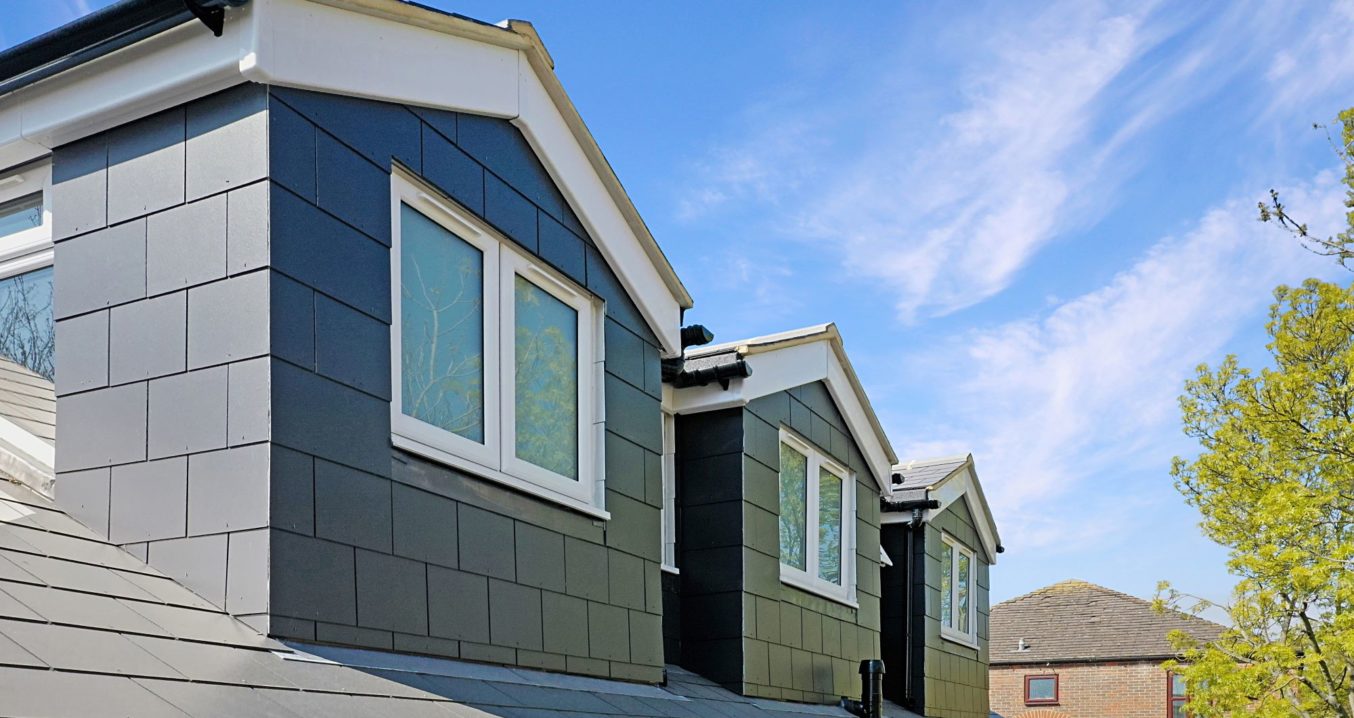
A dormer loft conversion is usually the most common and cost-effective way to add proper living space to a London home. Absolute Lofts’ current guide price for a dormer loft conversion starts from around £40,000, depending on the size, structure, layout and specification.
A dormer projects from the existing roof slope to create more head height and usable floor area. In many homes, this creates enough space for a new main bedroom and shower room, which is one of the most requested layouts from growing families.
The final price will depend on factors such as the width of the dormer, staircase position, bathroom location, plumbing route, window choice, fire safety requirements and internal finish. A straightforward rear dormer with a bedroom only will usually cost less than a larger dormer with an en-suite, fitted storage and higher specification finishes.
Dormers are popular because they often offer the best balance of cost, space and build practicality. Many can be built under permitted development, although this depends on the property, roof shape, previous extensions and local planning restrictions.
You can also view completed projects and design ideas on our dormer loft conversion ideas page.
An L shaped dormer loft conversion usually starts from around £60,000. This style of conversion is commonly used on Victorian and Edwardian terrace houses where there is a main rear roof and an additional outrigger roof over the back part of the property.
The reason an L shaped dormer costs more than a standard dormer is simple: there is more structure, more roof work, more internal floor area and usually more finishing involved. In return, the extra space can be substantial.
An L shaped dormer can often create two bedrooms and a bathroom, or one larger main bedroom with an en-suite and useful additional space. For families trying to stay near schools, transport and local routines, this can be a practical alternative to moving.
Although many L shaped dormers can fall under permitted development, this is not guaranteed. Planning rules, conservation areas, Article 4 restrictions and previous roof alterations can all affect what is possible. Absolute Lofts handles the drawings and application paperwork, but council and application fees are paid by the customer above the contract price.
A mansard loft conversion usually starts from around £65,000. Mansards are often used on London terrace properties where homeowners want a generous new floor with good usable space across the rear of the property.
A mansard changes the shape of the roof more significantly than a standard dormer. It usually has a flatter roof and a sloped rear wall, helping create strong internal head height and a more room-like feel inside the new loft space.
Mansard loft conversions normally require planning permission, so the overall process can take longer than a straightforward permitted development dormer. The cost can also be higher because the roof alteration is more involved and may require more detailed design, planning and party wall consideration.
A typical mansard can create a large bedroom and en-suite, although the final layout depends on the property width, roof shape, staircase position and existing structure. For homeowners who want a high-quality, long-term improvement rather than the cheapest possible loft conversion, a mansard can be a strong option.
Absolute Lofts can advise whether a mansard is likely to be suitable for your property and whether a dormer, L shaped dormer or hip to gable rear dormer would be more cost-effective.
You can also view completed examples on our mansard loft conversion ideas page.
An L shaped mansard loft conversion usually starts from around £70,000. It is one of the larger and more involved loft conversion options, but it can also create one of the biggest gains in usable living space.
This type of conversion is usually suited to London homes with a rear addition, where the new mansard can extend over both the main roof and the rear section of the property. Because the work covers more roof area, the structure, design and finishing costs are higher than a standard mansard.
The extra space can allow for a large main bedroom with en-suite, or in some homes, multiple rooms. This is the kind of layout many families consider when a box room has become a home office, another child needs a proper bedroom, or moving to a larger house in the same area is too expensive.
Because L shaped mansards are more likely to need planning permission, the cost discussion should include both the build price and the process involved before work starts. Absolute Lofts manages the design, drawings and application handling, while the customer pays the council and statutory fees separately.
A hip to gable rear dormer loft conversion usually starts from around £65,000. This type of conversion is often used on semi-detached, end-of-terrace and detached houses with a hipped roof.
The hip to gable part of the build changes the sloping side of the roof into a vertical gable wall. This creates more internal width and head height, and the rear dormer then adds further usable floor space at the back of the property.
Because this is a more structural form of loft conversion, it costs more than a basic rear dormer. However, it can be the right solution for homes where a standard dormer would not create enough space or where the roof shape limits the internal layout.
A hip to gable rear dormer can often create a large bedroom and shower room, and in some homes may allow for a more generous layout. The final design depends on the roof structure, existing staircase position and Building Regulations requirements.
You can also view completed examples on our hip to gable loft conversion ideas page.
One of the most important things when comparing loft conversion prices is understanding what is actually included. A cheaper quote is not always cheaper if key items are missing.
A standard Absolute Lofts full loft conversion quote will usually include:
Bathroom sanitaryware, tiles, flooring, decoration, bespoke wardrobes, air conditioning, underfloor heating, party wall surveyor fees, council application fees and Building Control fees are usually separate unless specifically included in the quotation.
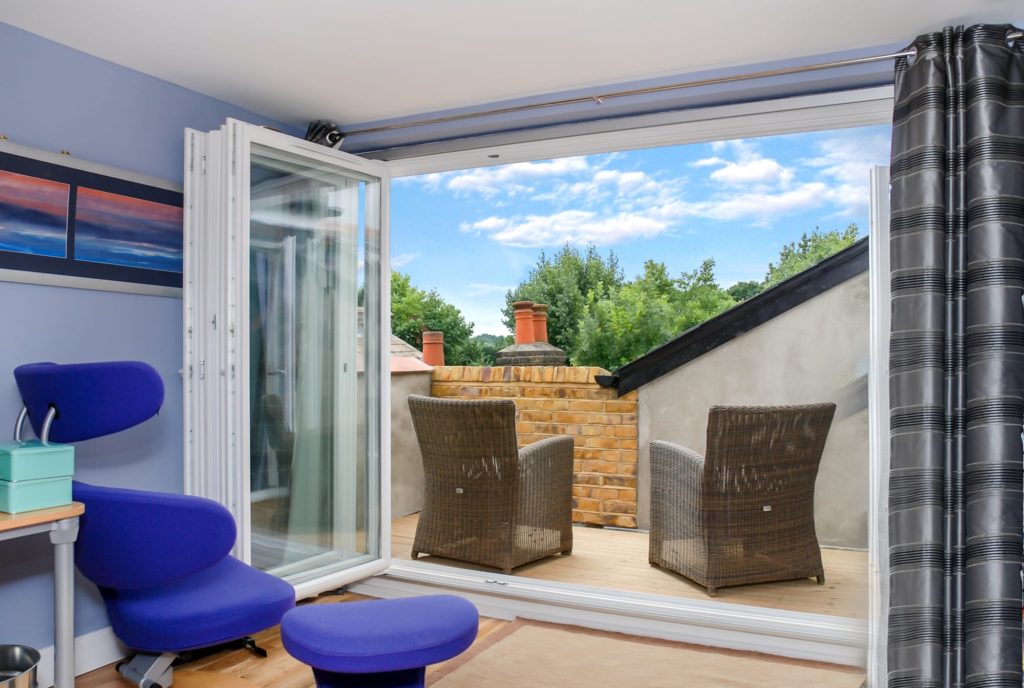
Roof terraces are not treated as a small extra because they need to be designed and priced properly as part of the agreed project. If a roof terrace is included in your quotation, it will form part of the contract price.
The main things that can increase the cost of a loft conversion are the size of the new structure, the complexity of the roof, the number of rooms being created, whether a bathroom or en-suite is included and the level of finish required.
Party wall matters can also add cost if surveyors are required. Planning application fees, Building Control fees and other statutory costs are paid separately by the customer. Bespoke wardrobes, specialist finishes, air conditioning, underfloor heating, flooring and decoration can also increase the overall spend.
In most cases, the staircase is positioned over the existing staircase because this is usually the most practical way to create access while protecting bedroom space below. The exact staircase route is one of the key things assessed during the survey and design stage.
Older homes, unusual roof structures or difficult access can sometimes need extra thought, but these are assessed during the survey so the quote can be prepared properly from the start.
For further guidance, read our page on extra costs to budget for with a loft conversion.
Most loft conversions take around 8 to 12 weeks to build, depending on the type of conversion, structure and specification. Before the build starts, drawings and design work are prepared, and any required Certificate of Lawfulness or planning application is submitted.
A Certificate of Lawfulness can often be approved more quickly than a full planning application, while planning permission generally takes longer. Once approvals and pre-build requirements are complete, the project can usually move towards a start date.
In most cases, customers do not need to move out while the loft conversion is being built. There will be disruption, but the work is planned so the main construction is managed as efficiently as possible. Absolute Lofts will explain the likely process before work begins, including access, scaffolding, staircase opening and key build stages.
Absolute Lofts has been building loft conversions for more than 38 years and has completed over 5,470 loft conversions. That experience matters when you are comparing quotes, because a loft conversion is not just about the headline price. It is about getting the design, structure, approvals, build quality and finish right.
We offer an Absolute Value Promise and can match a genuine like-for-like loft conversion quotation or special offer. The key point is that the quote must be genuinely comparable, with the same scope, specification and level of service.
Absolute Lofts also offers a 10-year structural guarantee and has a Trustpilot rating of 4.7 from 52 reviews. From the first survey through to drawings, applications and the build itself, our team helps homeowners understand what they are paying for and why.
You can also view our loft conversion case studies and virtual tours to see the type of work Absolute Lofts has completed across London and the surrounding areas.
If you are planning a loft conversion and want clear, practical cost advice, call 0800 24 30 48 or request a free estimate.
A shell or first-fix loft conversion is usually cheaper than a full conversion because some finishing work is left for the homeowner to complete or arrange later. For a full build, a standard rear dormer is often one of the most cost-effective ways to create proper living space.
Not always. Many dormer and L shaped dormer loft conversions can be built under permitted development, but this depends on the property, previous extensions and local restrictions. Mansards and homes in conservation areas are more likely to need planning permission.
In most cases, no. Most customers stay in the house while the loft conversion is being built. There will be disruption, but the project is planned so the house can usually remain lived in during the works.
The new staircase usually goes over the existing staircase because this is normally the most efficient layout. It helps create a natural route to the loft while reducing the amount of space lost from the existing bedrooms.
For many London homeowners, yes. Moving to a larger house in the same area can mean estate agent fees, stamp duty, legal costs, higher mortgage payments and disruption. A loft conversion can often create the extra bedroom and bathroom needed while allowing the family to stay in the same home and local area.
For wider questions, visit our main loft conversion FAQs page.
For more detailed advice, call Absolute Lofts on 0800 24 30 48 or request a quote online.